⛵
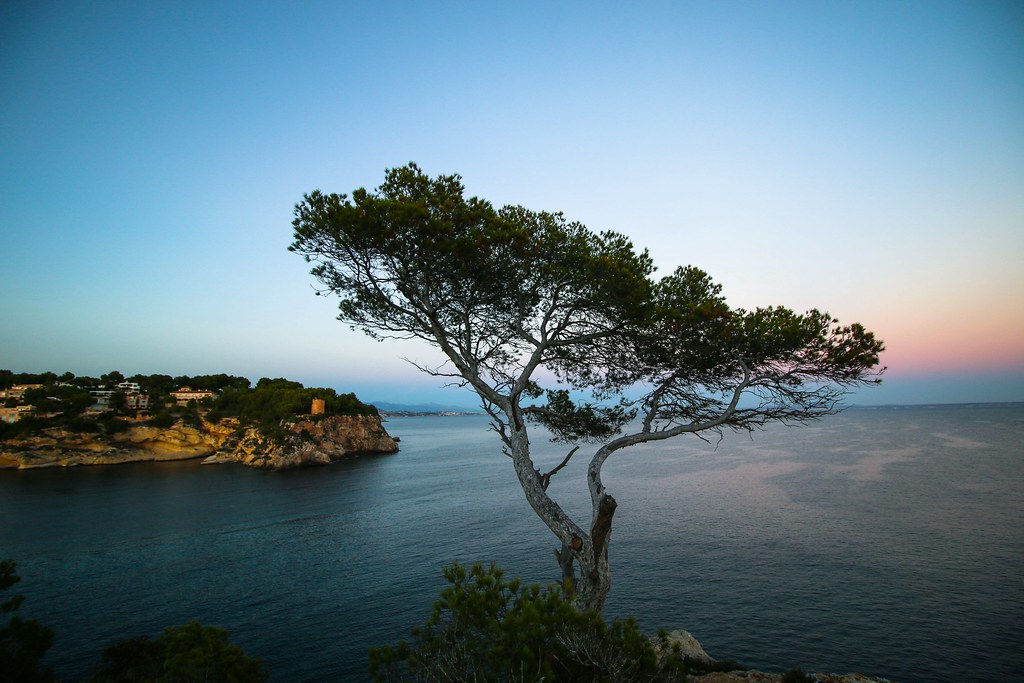
Photo by Rafa Velazquez / Creative Commons BY
POSTCARD FROM MALLORCA
Cala Figuera, Santanyí
The official guide to the working fishing port in southeastern Mallorca.
The official guide to the working fishing port in southeastern Mallorca.
Reserve your local guide, boat transfer, or tickets online safely.
 viator
$65.28
viator
$65.28
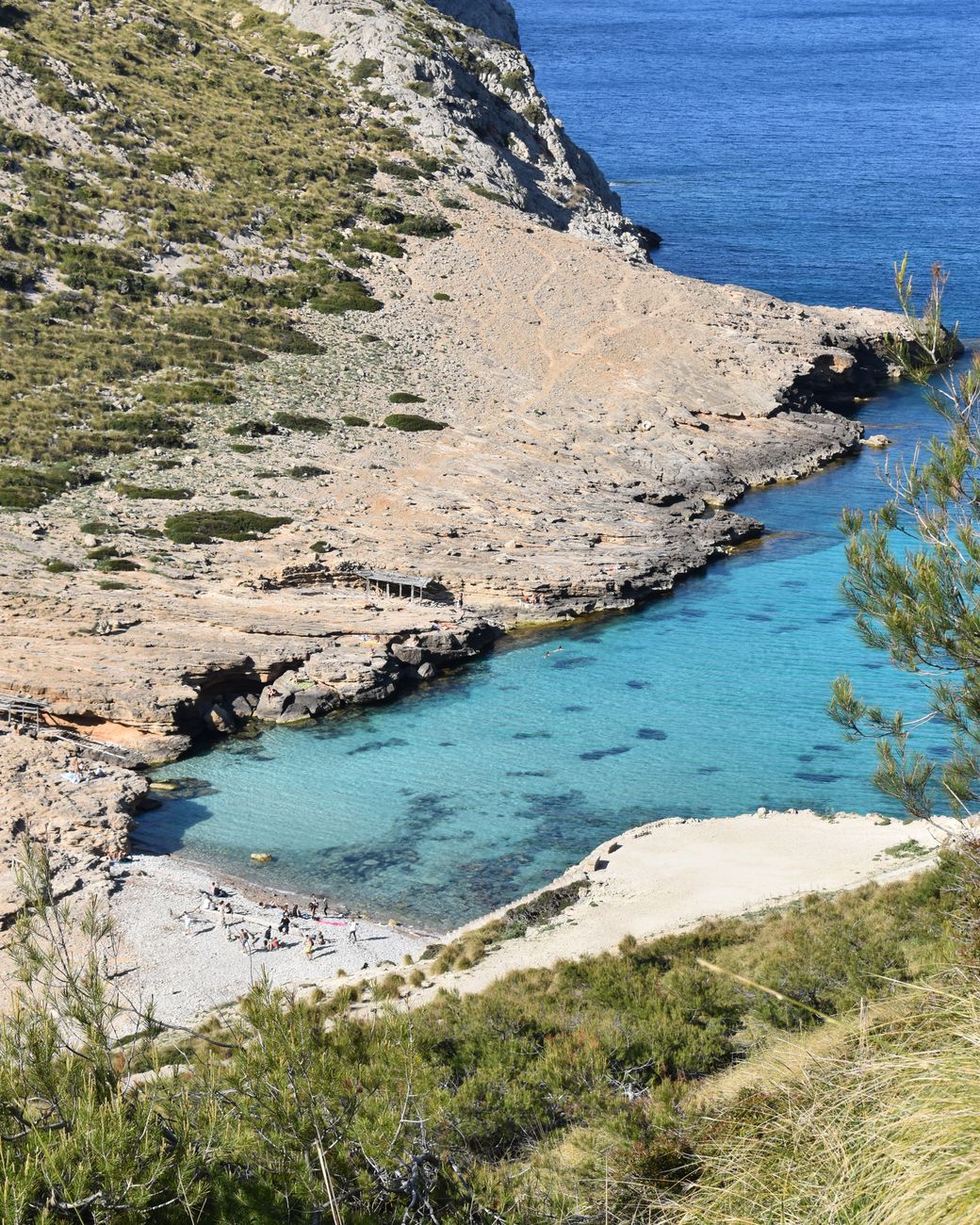
A frequent mapping error sends visitors to the wrong end of Mallorca. The name Cala Figuera belongs to two entirely different locations. Before you plan your route, look closely at your GPS coordinates.
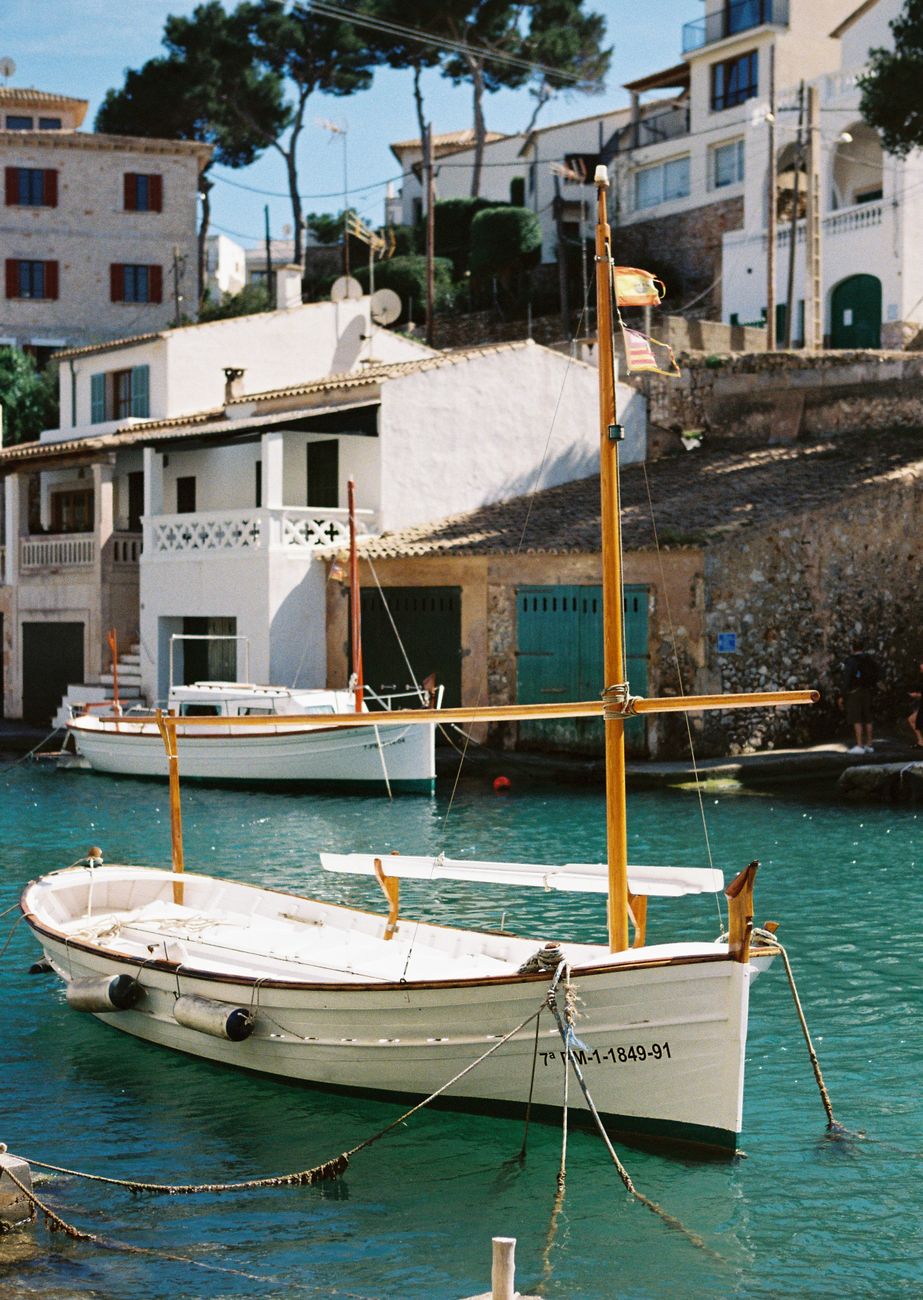
This is our destination in the southeast. It is an active maritime harbor with traditional whitewashed houses, wooden fishing boats, and clifftop dining. There is no sandy beach here. The historic core descends steeply down stone stairs to private docks and slipways.
Read Port OverviewThis is a remote, undeveloped pebble beach on the northern Cap de Formentor peninsula in Pollença. It has rocky cliffs, wild mountain goats, and steep hiking trails. During summer, this northern route has strict private vehicle bans from 10:00 AM to 7:00 PM.
I have spent years photographing the southeastern coves. This is the working harbor I spend most of my mornings taking photos of. The best light hits the water between 8:00 AM and 10:00 AM. The flat morning water creates perfect reflections of the facades along the cliffs. Tour buses arrive later in the day. During these early hours, you can watch local fishermen mending nets on teh stone docks.
The local fishing boats return to unload their daily catch between 4:30 PM and 6:00 PM. This is the ideal time to reserve a table at one of the clifftop locations. You can review our Restaurants and Dining guide to find certified spots overlooking the harbor where you can watch the fleet arrive.
Do not expect a daily indoor retail fish market open to the public. The historic Lonja no longer sells directly to casual visitors. Local seafood goes directly to specialized kitchens in the area or to the weekly Santanyí Artisan Market.
Hiking away from the lower harbor paths reveals historic stone architecture and coastal watchtowers built to defend against pirates.
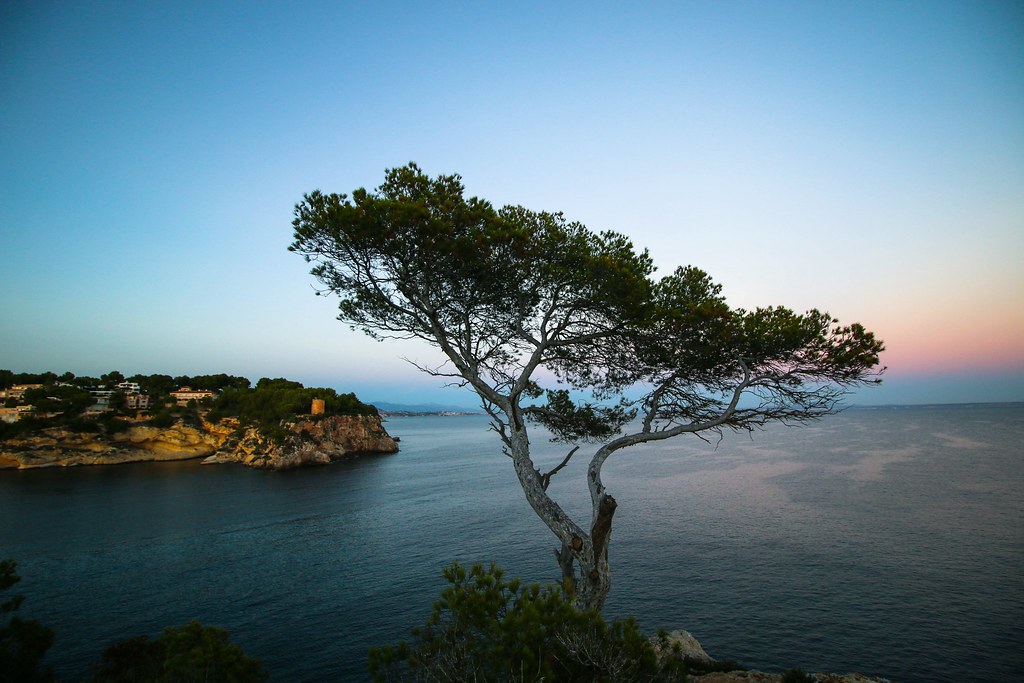
The exterior stonework of the regional watchtowers overlooking the Mediterranean.
Interior structural arches preserving the island's military and maritime history.
Detailed floor elements found inside the preserved coastal defense structures.
June brings stable Mediterranean weather. Daily temperatures sit between 24°C and 28°C. July and August push daily highs above 30°C, bringing the highest volume of international travelers and full parking lots. September and October retain warm sea temperatures with milder air, offering a quieter atmosphere for walking the cliffs.
Every accomodation host collects a regional tax for environmental protection. Rates vary by season and lodging category. For the 2026 and 2027 seasons, staying in a 5-star hotel costs €4.00 (~$4.36) per night during the high season (May 1 to October 31) and drops to €1.00 (~$1.09) in the low season. A 1- to 3-star rural estate requires €2.00 (~$2.18) in the high season and €0.50 (~$0.55) in the off-season. Children under 16 years old are exempt from this charge.
Most local hotels and seaside operations close entirely between November 1 and April 30. Plan your stay carefully using our Hotels and Lodging portal.
The regional TIB network connects the village via Route 516. This bus runs from Campos through Santanyí, Son Moja, and Cala Santanyí before terminating directly in the harbor village. Fares cost between €4.00 (~$4.36) and €6.00 (~$6.54) for single card transactions. The direct journey from Campos takes approximately 25 to 35 minutes.
Ride-hailing apps like Uber and Bolt have extremely limited coverage in the southeast. You should download the officially recommended Mallorcab app to book licensed local taxis.
Unlike the heavily restricted northern coast, all public parking in Cala Figuera is free. The village has an open car park at the harbor entrance and street parking along the main avenues. During July and August, these spaces fill completely by late morning. Plan to arrive before 10:00 AM to secure a spot.
Do not attempt to drive down the steep clifftop stairs toward the boat docks. These pedestrian paths lack vehicle access. Park on the main street level and walk down.
Understanding the local transit stops makes navigating the southeast much easier. Route 516 operates as a localized shuttle. It connects travelers to the main municipal transit hub in Santanyí.
Departures from the harbor station run at roughly three-hour intervals during peak summer periods. The earliest direct departure toward Campos leaves at 6:45 AM. The final night-time departure runs at 10:00 PM.
Many visitors stay on the lower harbor paths and miss the surrounding coastal routes. Following the road away from the main port leads to sa Torre d'en Beu. This watchtower was built in 1569 to defend against pirate raids. It sits beside an active 1953 lighthouse. The trail offers unobstructed views of the open sea and requires sturdy footwear. The stone steps and boat ramps around the lower harbor are covered in algae and are incredibly slippery. Open sandals are a hazard here. Wear slip-resistant water shoes if you plan to walk near the slipways.
Another popular walk starts four kilometers away near Cala Santanyí. A well-marked dirt path takes you to Es Pontàs, a massive natural stone bridge rising directly out of the water. It is a striking subject for landscape photography. If you are looking for a quiet coastal escape for snorkeling, head to Caló des Savinar. It is a secluded rocky inlet away from the heavy crowds of Mondragó Natural Park.
The July festival is the cultural anchor of the year. The daily structure brings the community to the water's edge.
On July 4, the opening night features an open-air classical concert by the sea, highlighting soprano vocals and piano arrangements. By July 8, the focus shifts to a local gastronomy evening with craft beers, organic Son Alegre wines, and live music. July 9 hosts the Sopar a la Fresca, a large community dinner.
Youth music takes over on July 10 for the Verbena Jove, bringing harbor-side bands and late-night DJ sets. July 12 is the dedicated Family Day. It involves traditional clay pot games known as Rompuda d'Olles and Mallorcan folk dancing. A classical chamber recital for flute and piano takes place on July 14 at the clifftop Mirador overlook.
The Grand Revetla on July 15 prepares the village for the main event. July 16 is the Patron Saint's Day. After a solemn mass, the image of the saint is carried down to the water, followed by the maritime procession of decorated boats. The night concludes with musical performances and boat decoration awards.
If you miss the July festival, the Santanyí Artisan Market runs every Wednesday and Saturday morning in the nearby town center. You can find traditional handicrafts, local organic wines, cheeses, and cured sobrassada.
Travelers staying in the southeast can easily combine morning port strolls with an afternoon underground excursion to the Cuevas del Drach in Porto Cristo, located just 25 minutes north.
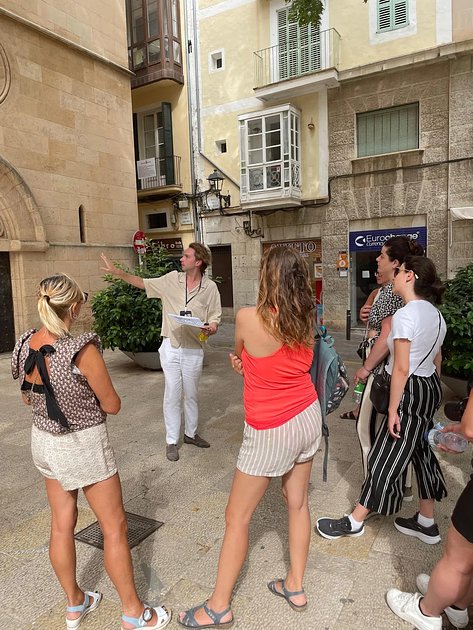
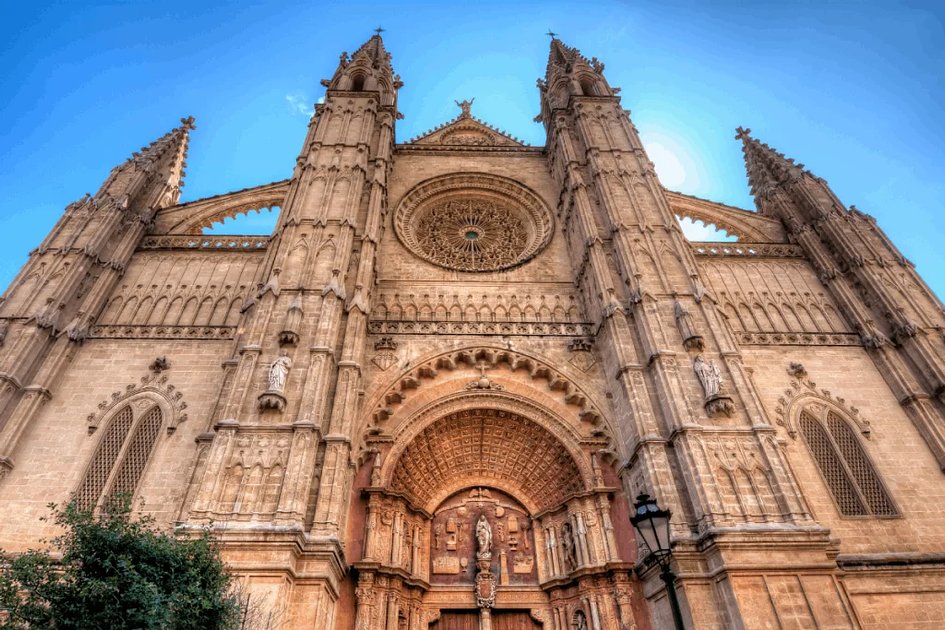
If you are transiting through the airport, catching a bus from Palma, or taking a day trip into the capital from the southeast coast, exploring the historic Old Town and Cathedral on foot is an absolute must. Certified local guides lead tip-based walks with €0 booking deposit.