Eating in Cala Figuera: The Working Harbor Diet
By Rafa Velazquez
I spend a lot of time photographing the light along the southeastern cliffs of Mallorca. People always ask me for a sandy beach bar with a nice menu. I always have to stop them and explain that the Port of Cala Figuera is not a beach destination. It is a sheer rock inlet and a deeply traditional fishing village. You do not come here to eat on a sunbed. You come here to sit on a concrete slipway and watch a working fleet pull their daily haul out of the Mediterranean.
The food here is heavy, agricultural, and tied directly to the sea and the surrounding dry farms. If you know what to order and exactly what time to sit down, you get an experience that is completely missing from the big northern resort towns. I want to walk you through exactly what to eat, where the best spots are, and the precise afternoon window you need to aim for.
The 4:30 PM Fleet Return Window
Timing your meal here requires some local knowledge. I see visitors arrive at 1:00 PM expecting to watch fishermen work while they eat lunch. The harbor is usually quiet then. The fleet departs from the Caló d'en Busques docks very early, often between 6:00 AM and 7:00 AM. They are miles offshore by the time most people wake up.
The real activity happens in the late afternoon. Between 4:30 PM and 6:00 PM, the local boats motor back into the narrow inlet to unload their catch. The water is often flat and calm by this time. The late sun hits the whitewashed facades of the houses built right into the cliffside. You hear the diesel engines idling and the sounds of crews repairing nets along the stone paths.
You want to claim a table at one of the waterfront terraces by 4:00 PM. Order a cold drink and wait. Watching the boats navigate the tight rock channels while you eat is the quiet evening I always look forward to sitting down for. It is a slow, methodical process that has not changed much in decades. The stone steps near the water are covered in algae and get incredibly slippery. Wear solid shoes if you plan to walk down to the docks after your meal.
Beyond Seafood: Pamboli, Sobrassada, and Tumbet
You can easily find grilled octopus and sea bass along the water. I recommend looking slightly past the standard fish plates. The authentic Mallorcan diet relies heavily on cured meats and preserved vegetables.
You must try pamboli. The name literally translates to bread with oil. It is slices of dense, dark rustic bread rubbed raw with local Ramellet tomatoes. These tomatoes are grown specifically to be stored on vines through the winter and have a very concentrated flavor. The bread is soaked in local olive oil and hit with coarse sea salt. A simple plate of pamboli usually costs around €6.50 (~$7.08) and is the foundation of almost every local meal.
Sobrassada is the island's famous cured pork sausage. It is packed with local paprika and cures in the humid sea air. The texture is soft and spreadable. Many local cooks serve it warm over toasted pamboli, often finishing it with a thin drizzle of local honey to cut the salt. It pairs perfectly with a cold local beer.
For a main course, look for tumbet. This is a rich, heavy vegetable dish made from layers of fried eggplant, potatoes, and red bell peppers, all cooked down in a thick tomato and garlic sauce. It is usually served as a side dish to regional pork loin. A massive plate of pork loin and tumbet will typically run you about €18.00 (~$19.62). It is dense, farmer's food that gives you plenty of energy for hiking the cliffs.
Recommended Local Dining Spots
The geography of the village means there are no wide avenues. Restaurants sit tight against the roads or hang over the cliff edges. These three locations consistently serve honest food and give you a great vantage point of teh day's harbor activity.
Bistro Bar Bonavista
This is an excellent, unpretentious spot right near the main harbor pathways. The elevation gives you a clean line of sight over the arriving boats. I come here for early afternoon tapas and coffee. They do a fantastic, simple preparation of local tomatoes and bread. A generous board of local cheeses and pamboli costs around €12.50 (~$13.62). The staff is very familiar with the fishermen's schedules and will point out the boats as they come around the bend.
Restaurante s'Ona Beach
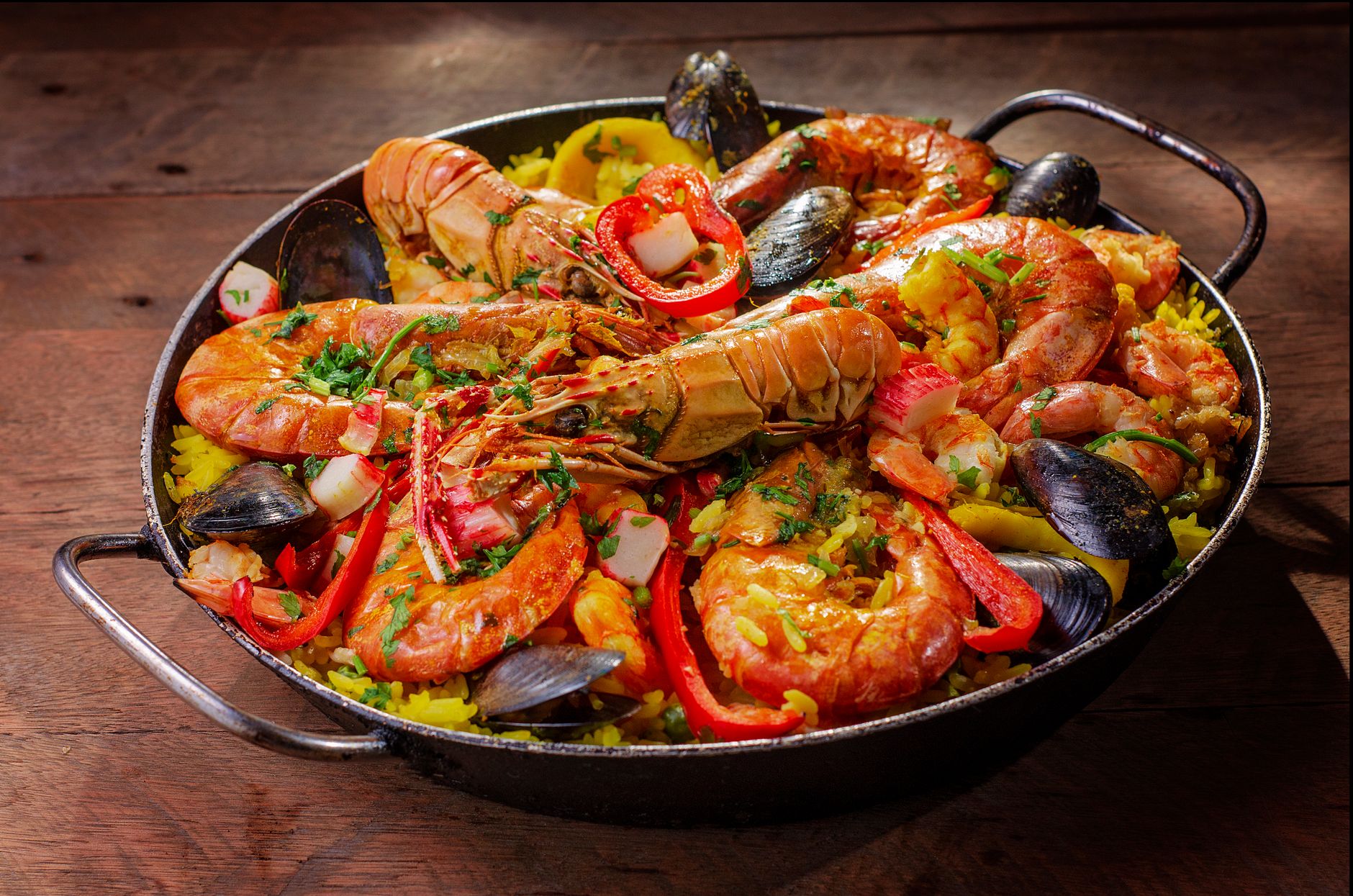
The name is slightly misleading for first-time visitors. There is no sandy beach in Cala Figuera. The restuarant sits securely near the rocky cliffs overlooking the inlet. They focus heavily on fresh catches directly from the local boats. If you want a whole grilled fish or a massive pan of seafood rice, this is the place to book. A main seafood dish here averages €24.00 (~$26.15). The outside seating fills up completely in July and August. You need to arrive well before the 4:30 PM boat rush to get a table near the railing.
Pamboleria Es Pontàs
This place specializes entirely in the traditional bread, oil, and cured meat boards of the region. It is casual, deeply local, and perfect for a slow, heavy dinner after a long day of hiking. A massive spread of cured sobrassada, local hard cheeses, olives, and fresh bread runs about €15.00 (~$16.35). You eat with your hands, share everything on the table, and wash it down with a dark local wine. It is the exact opposite of a stiff, formal dining experience.
Tipping, Markets, and Evening Logistics
When you finish your meal, paying the bill is very straightforward. Tipping culture in Mallorca is relaxed. You are not required to calculate a massive percentage of your total. If the service is excellent, rounding up the bill is the standard local practice. Leaving an extra €2.00 (~$2.18) on a small lunch or €5.00 (~$5.45) on a large dinner is perfectly polite and appreciated by the staff.
Many people who rent local apartments ask me where to buy raw fish straight from the docks. The village no longer operates a physical, daily indoor fish market (Lonja) that is open to the public. The fleet sells to commercial distributors. If you want to cook your own meals, you need to drive into the main town of Santanyí. Their weekly artisan market runs every Wednesday and Saturday morning. You can buy incredible raw seafood, organic wines, and whole wheels of cheese directly from the producers there.
After a heavy plate of pork and potatoes, a walk is mandatory. Most tourists just wander back and forth along the lower docks. I always suggest taking the clifftop trail up to the Torre d'en Beu lighthouse. The path starts near the village edge and takes you up to a stone watchtower built in 1569. The elevation clears the harbor walls and gives you an unobstructed view of the dark Mediterranean stretching out to the horizon.
If you have a long dinner and drink a few glasses of Son Alegre wine, plan your transit back to your hotel carefully. The regional Route 516 bus runs through the village, but the final night-time departure leaves at 10:00 PM. If you miss that bus, you are stuck relying on local taxis. Global apps like Uber are practically non-existent in these remote southern coves. You need to use the official dispatch lines or the Mallorcab app. Read my transit and taxi guide to get the exact dispatch numbers saved in your phone before you sit down to eat. Having a reliable ride home lets you enjoy the harbor long after the sun goes down.