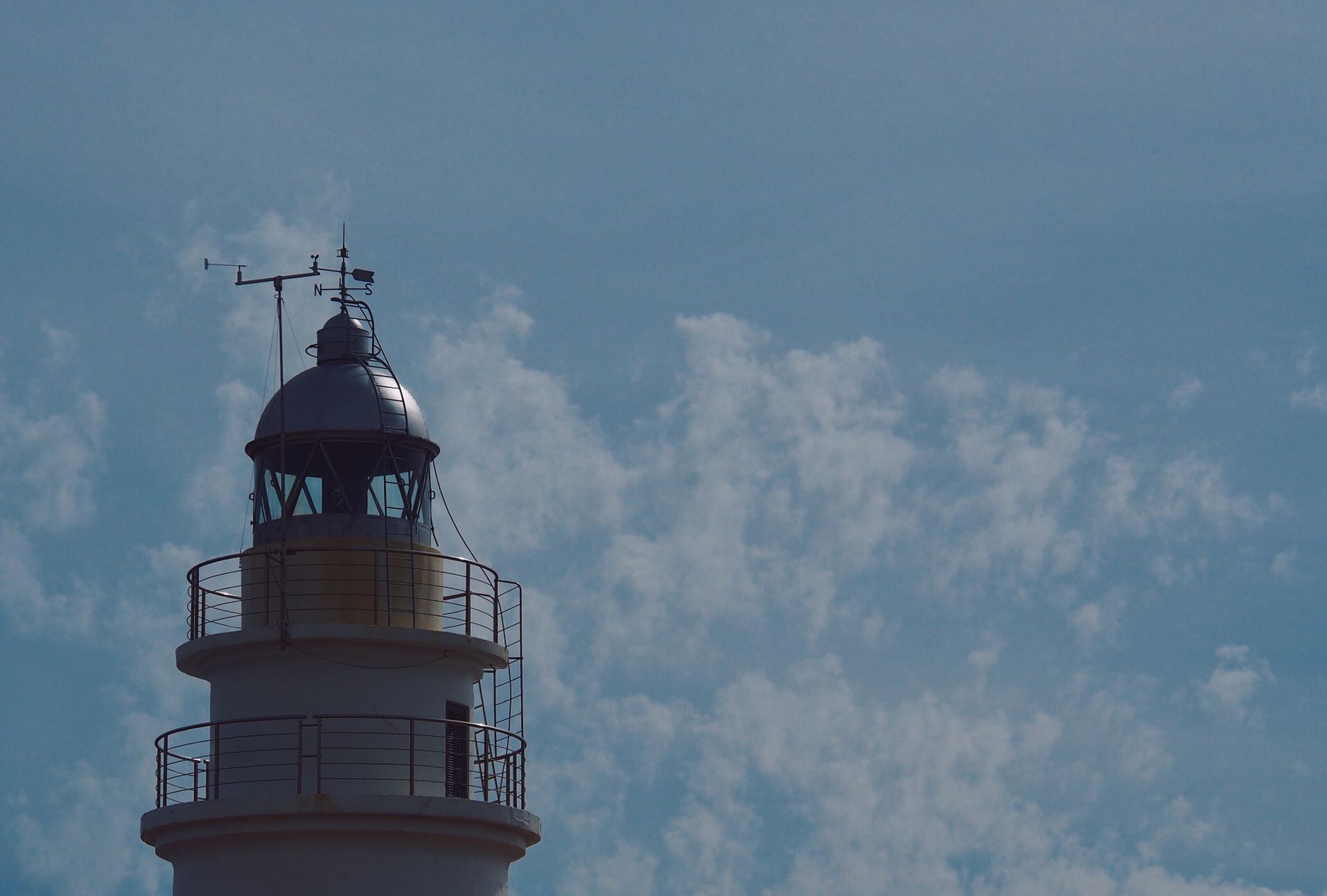
Most visitors stay on the lower pedestrian boardwalks near the water. They watch the fishermen mend their nets and photograph the whitewashed houses reflecting in the flat morning water. I always advise travelers to take the extra time to walk up the southern cliff. The paved roads eventually turn into a raw dirt trail that leads directly to the mouth of the cove. This is where the true scale of the southeastern coastline becomes obvious.
As you ascend, the sounds of the working harbor fade. You hear the wind coming off the Balearic Sea instead of the diesel engines of the returning fishing fleet. The path is exposed to the elements, lined with hardy coastal shrubs and sharp limestone rocks. It is a short but deliberate transition from the sheltered safety of the inner Port Overview to the unprotected open ocean.
The trail is entirely rocky. There is no sand here. This absence of sandy beaches historically protected this specific stretch of Santanyí from high-rise hotel development in the late twentieth century. You will need sturdy water shoes or slip-resistant hiking boots to navigate the uneven ground safely. Travel forums often warn against wearing flip-flops on these coastal paths, and I completely agree with that assessment.
Following the clifftop road leads directly to sa Torre d'en Beu. This watchtower is a circular stone structure built in 1569. During the sixteenth century, the southeastern coast of Mallorca faced severe and frequent attacks from Ottoman and Punic pirates. These raiders would anchor in the deep, unprotected coves and launch assaults on the inland agricultural towns.
In response to this threat, local authorities constructed a perimeter of watchtowers around the island. Torre d'en Beu was a critical link in this chain. The guards stationed here had a clear, unobstructed view of the open sea. When they spotted hostile ships, they would light signal fires on the roof. Smoke signaled danger during the day, and flames warned the neighboring towers at night. This rapid communication network allowed the inland town of Santanyí to prepare its defenses before the raiders could make landfall.
The tower itself is built from local marès limestone. Centuries of wind and salt have heavily weathered the exterior blocks. You cannot go inside the structure today, but walking around its base gives you a clear understanding of its strategic placement. It sits on teh highest point of the southern cliff. This is the exact vantage point the early sentries were looking for.
Directly adjacent to the historic watchtower is a much newer structure: the active Cala Figuera lighthouse, completed in 1953. The visual contrast between the two buildings is striking. The 1569 tower is thick, rugged, and built for warfare. The 1953 lighthouse is painted in bold black and white bands, designed purely for visibility and maritime safety.
The lighthouse marks the narrow entrance to the port for the returning fishing fleet. The local boats leave their moorings at Caló d'en Busques between 6:00 AM and 7:00 AM every morning. When they return in the late afternoon to unload their catch, the lighthouse guides them safely past the jagged rocks that flank the cove. It remains an active, functioning navigation aid managed by the regional port authority.
Standing between the watchtower and the lighthouse, you are looking at four centuries of maritime history in one view. The old tower was built to keep people away from the coast, while the new lighthouse exists to guide them safely home.
As a landscape photographer, I plan my visits around two specific time windows. The morning light window occurs between 8:00 AM and 10:00 AM. During these hours, the sun rises over the Mediterranean and directly illuminates the eastern face of the tower and the lighthouse. The light is soft, the temperature is comfortable, and you will likely have the trail entirely to yourself before the midday crowds arrive.
The second option is the fleet return window between 4:30 PM and 6:00 PM. The late-afternoon sun casts long, dramatic shadows across the limestone cliffs. This is also the exact time the local fishing boats sail past the lighthouse on their way back into the harbor. Capturing a traditional wooden fishing boat passing beneath the 1569 watchtower makes for an exceptional photograph.
The off-season months from November through April bring cooler temperatures ranging from 10°C to 16°C. This is my favorite time to photograph the cliffs. The sky is often more textured with winter clouds, and the tourist tax (Ecotasa) drops significantly. Staying at a local rural estate during this period costs just €0.50 (~$0.55) per night in tax, compared to the high-season rate of €2.00 (~$2.18).
If you are driving, there is a dedicated clifftop parking area situated right next to the trailhead for Torre d'en Beu. This allows you to park close to the landmark without navigating the steep, narrow alleys of the lower village. You can find detailed directions in our parking guide. During the peak summer months of July and August, this parking area fills up quickly. I recommend arriving before 10:00 AM to secure a spot.
Public transportation is an option via Route 516 from Campos and Santanyí. The bus drops you at the main terminus in the harbor village, meaning you will need to walk the full ascent up the cliff to reach the tower. A single bus fare ranges from €4.00 (~$4.36) to €6.00 (~$6.54).
Ride-hailing apps like Uber and Bolt have highly limited coverage in this rural southeastern region. The official local dispatch is the Mallorcab app. If you rely on regional dispatches, a taxi ride from Cala Figuera to nearby Portocolom costs roughly €35.00 (~$38.15) depending on the time of day and the specific season.
The natural environment surrounding the Torre d'en Beu is fragile. The local authorities invest the collected sustainable tourism taxes directly into environmental protection and historical restoration projects in areas just like this. We ask all independent travelers to respect the following rules when hiking the cliff.
The limestone cliffs are prone to erosion and unexpected drops. Do not approach the sheer edges for photographs. The marked dirt trail provides the safest and most stable route to the lighthouse.
There are no public trash bins on the remote sections of the clifftop trail. You must carry all empty water bottles, food wrappers, and waste back down to the municipal bins located in the main port.
Do not climb on the 1569 watchtower walls or attempt to enter the active lighthouse compound. These are protected regional landmarks. Touching or removing loose stones damages the historical integrity of the site.