The Geography Trap
I have seen countless travelers staring at their phones in total disbelief along the rural roads of Mallorca. They punch a name into their rental car GPS, drive for an hour, and step out expecting a whitewashed Mediterranean fishing harbor. Instead, they find themselves standing on a sheer cliff face looking down at a wild, undeveloped pebble cove. You have just experienced the island's most notorious naming collision.
Two entirely different locations sit on opposite ends of this island, sharing the exact same name. In the southeast, the municipality of Santanyí holds the historic working port of Cala Figuera. Up in the raw, northern reaches of Pollença on the Cap de Formentor peninsula lies Cala Figuera Beach. If you mix them up, you lose half your day. We need to define these distinct zones immediately so you know the exact landscape you are looking for.
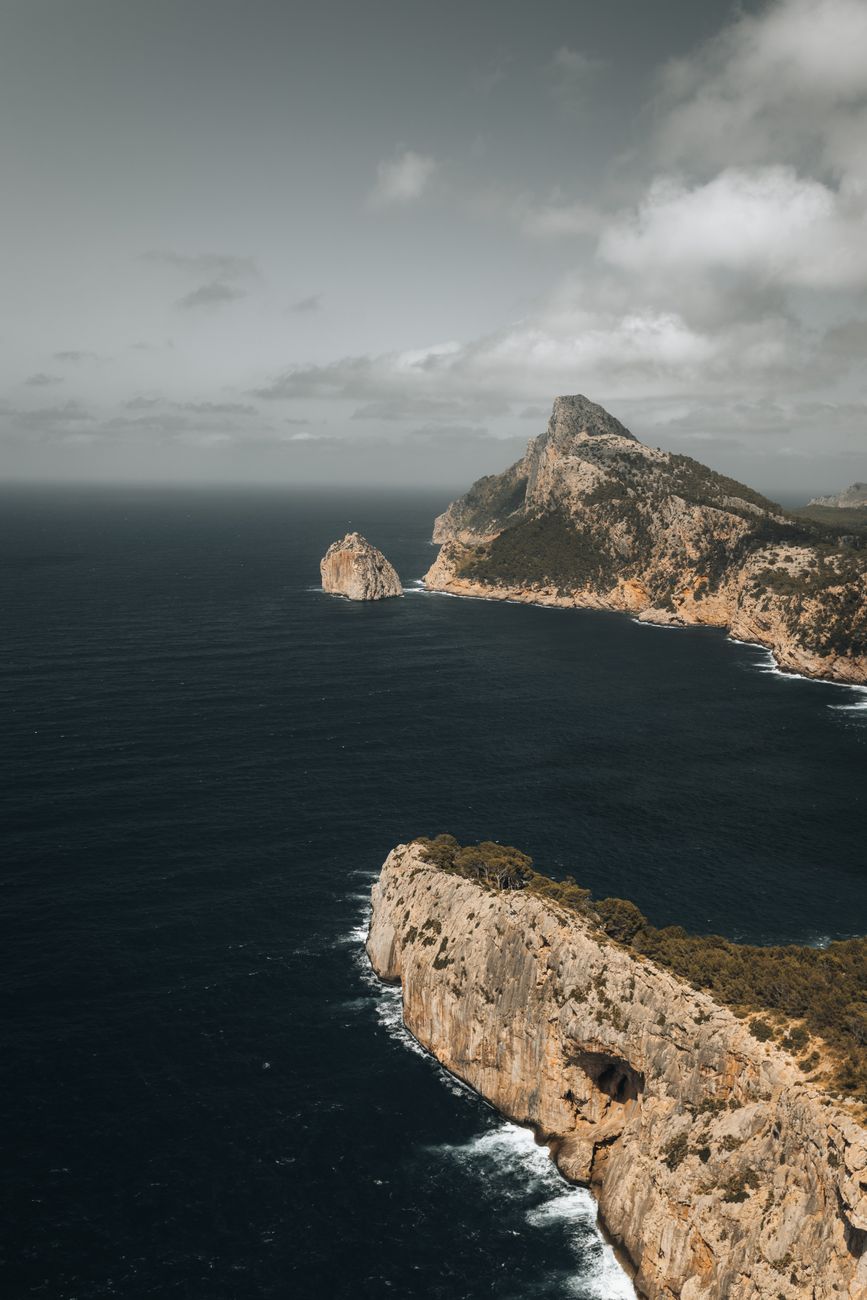
The Northern Wilds of Cap de Formentor
This page focuses heavily on the northern namesake. Cala Figuera Beach in Pollença is a rugged, untamed slice of the northern coastline. There are no facilities here. You will not find ticket booths, restaurants, lifeguards, or sunbeds. You park your car or step off the bus, and you hike down a steep, rocky unpaved path. The descent takes you to a sweeping U-shaped inlet framed by jagged limestone walls.
The shoreline is composed entirely of stones and pebbles. The water is deep, highly transparent, and entirely exposed to the elements. When the northern winds blow, the inlet catches the swell, making the water choppy and challenging. On calm days, the clarity is absolute, offering excellent snorkeling along the rocky underwater topography.
This specific cove is famous for two things: cliff jumping and wild mountain goats. The sheer drop-offs near the mouth of the inlet attract confident swimmers and divers. The goats are native to the Tramuntana mountains and roam freely across the beach. They are opportunistic and completely unafraid of humans. They seek salt and stray food. If you leave your bags open on the rocks while you swim, the goats will inspect them. You must keep your food packed securely away at all times.
Strict Summer Road Bans
This is where your logistics planning becomes critical. You cannot simply drive up to teh northern Cala Figuera beach in the middle of summer. The regional government enforces strict vehicle restrictions on the Cap de Formentor road to protect the fragile environment and prevent catastrophic gridlock along the cliff edges.
Between June 15 and September 15, private cars are completely banned on this route from 10:00 AM to 7:00 PM. Traffic cameras record every license plate crossing the checkpoint. If you try to drive past the barrier during these hours, you face heavy automatic fines.
You must rely on the regional Transports de les Illes Balears (TIB) network. You need to catch Route 334. This bus operates as a mandatory shuttle, starting from the main Formentor beach parking area and running up the peninsula. A single bus ticket costs between €4.00 (~$4.36) and €6.00 (~$6.54) depending on your initial boarding zone. You pay simply by tapping your contactless bank card on the machine when you board and again when you exit.
I highly recommend reviewing our Airport Transit page and our Parking Guide to map your connections properly before heading north.
Contrasting the Southern Port
To fully understand the navigation trap, you need to look at the southern destination. Port de Cala Figuera in Santanyí is an active maritime harbor. You will find traditional wooden fishing boats, concrete slipways, historic stone houses, and local restaurants built directly over the water. There is no sandy beach there either. The shoreline is entirely rocky and lined with sheer cliffs, which historically protected the village from high-rise hotel development.
The southern port environment is built-up and highly accessible. There are no seasonal road bans in the south. You can drive into the village 24 hours a day, 365 days a year. Public parking is entirely free along the main entrance avenues and in the spacious car park at the harbor entrance. During the peak months of July and August, these spaces fill completely by late morning. You need to arrive before 10:00 AM to secure a spot without circling the narrow streets.
Public transit to the southern port relies on TIB Route 516. This line connects travelers from the main municipal transit hub in Santanyí directly to the harbor village. The earliest direct departure from the port toward Campos is at 6:45 AM, and the final night-time departure runs at 10:00 PM. A ride-hailing dispatch or taxi from the port to a nearby town like Portocolom generally costs between €35.00 (~$38.15) and €45.00 (~$49.05).
Northern Beach (Pollença)
- Geographic Zone: Cap de Formentor
- Landscape: Wild pebble beach, steep cliffs
- Wildlife: Free-roaming mountain goats
- Access Rules: Private cars banned 10 AM - 7 PM (Summer)
- Transit Line: TIB Route 334 Shuttle
- Amenities: None. Bring your own water.
Southern Port (Santanyí)
- Geographic Zone: Southeast Coast
- Landscape: Working fishing harbor, historic docks
- Wildlife: Local fishermen and marine life
- Access Rules: Open 24/7, free public parking
- Transit Line: TIB Route 516 Bus
- Amenities: Restaurants, boat tours, coastal hikes
Financial Regulations and The Ecotasa
Whether you stay near the wild northern cliffs or the southern fishing docks, the Balearic Sustainable Tourism Tax applies to all overnight visitors. Locals call this the Ecotasa. The tax is collected directly by your accommodation host and is reinvested in local environmental protection and historical restoration projects.
The rates change heavily based on the season and the category of your lodging. During the high season, from May 1 to October 31, guests in 5-star and luxury hotels pay €4.00 (~$4.36) per night, plus 10% VAT. Those in 4-star hotels and mid-range apartments pay €3.00 (~$3.27) per night. Visitors staying in 1- to 3-star hotels, guesthouses, and rural estates are charged €2.00 (~$2.18) per night. Hostels, campsites, and tourist refuges collect €1.00 (~$1.09) per night.
During the low season, from November 1 to April 30, these rates drop by exactly 75%. A luxury hotel tax becomes €1.00 (~$1.09) per night, and a hostel tax drops to €0.25 (~$0.27). Long-stay visitors receive a 50% discount starting on their ninth consecutive night. Children under 16 years of age are completely exempt from the tax year-round.
Navigating the Terrain Safely
Physical preparation is necessary for the northern beach. The unpaved path down from the Cap de Formentor road is loose and steep. Travel forums and local guides strongly advise against wearing open sandals or basic flip-flops. You need sturdy shoes with genuine grip for the descent. Once you reach the water, slip-resistant water shoes are highly recommended to navigate the submerged rocks and pebbles.
The southern port has its own terrain warnings. The historic core descends steeply down clifftop stairs toward private boat docks and concrete slipways. These ramps are covered in algae and become extremely slippery near the waterline. You must watch your footing closely while walking the harbor edge. Drivers should never attempt to navigate the narrow, downward-sloping alleys leading to the water. Park on the main upper street level and walk down.
Seasonal Timing and Crowd Mitigation
Timing your visit changes the experience entirely. June brings stable Mediterranean weather with daily temperatures ranging between 24°C and 28°C. Rainfall is rare, and the sea warms to comfortable swimming levels. This month offers an excellent balance of clear weather and moderate crowds at both the northern beach and the southern port.
July and August represent the peak summer window. Temperatures frequently exceed 30°C. Water transparency hits its maximum, drawing massive volumes of international travelers. Up north, the shuttle buses run near capacity. Down south, the central parking spaces vanish by mid-morning, and restaurants require advance booking. The Ecotasa operates at its highest tier.
September and October form the shoulder season. Warm sea temperatures persist, while daily highs sit comfortably between 22°C and 26°C. The atmosphere quiets down considerably. The northern road bans lift on September 16, allowing private vehicles to access the Cap de Formentor route freely again. For travelers seeking a relaxed environment, late September is the optimal time to explore the coast.
From November through April, the off-season takes hold. Temperatures cool to a range of 10°C to 16°C, and rainfall increases. Up north, the winds whip across the unprotected peninsula, making swimming impossible. Down south, a majority of hotels, seasonal rental agencies, and seaside restaurants close their doors completely for the winter. The Ecotasa drops to its lowest rate, leaving the island quiet and empty for hikers and photographers who prefer the isolation.