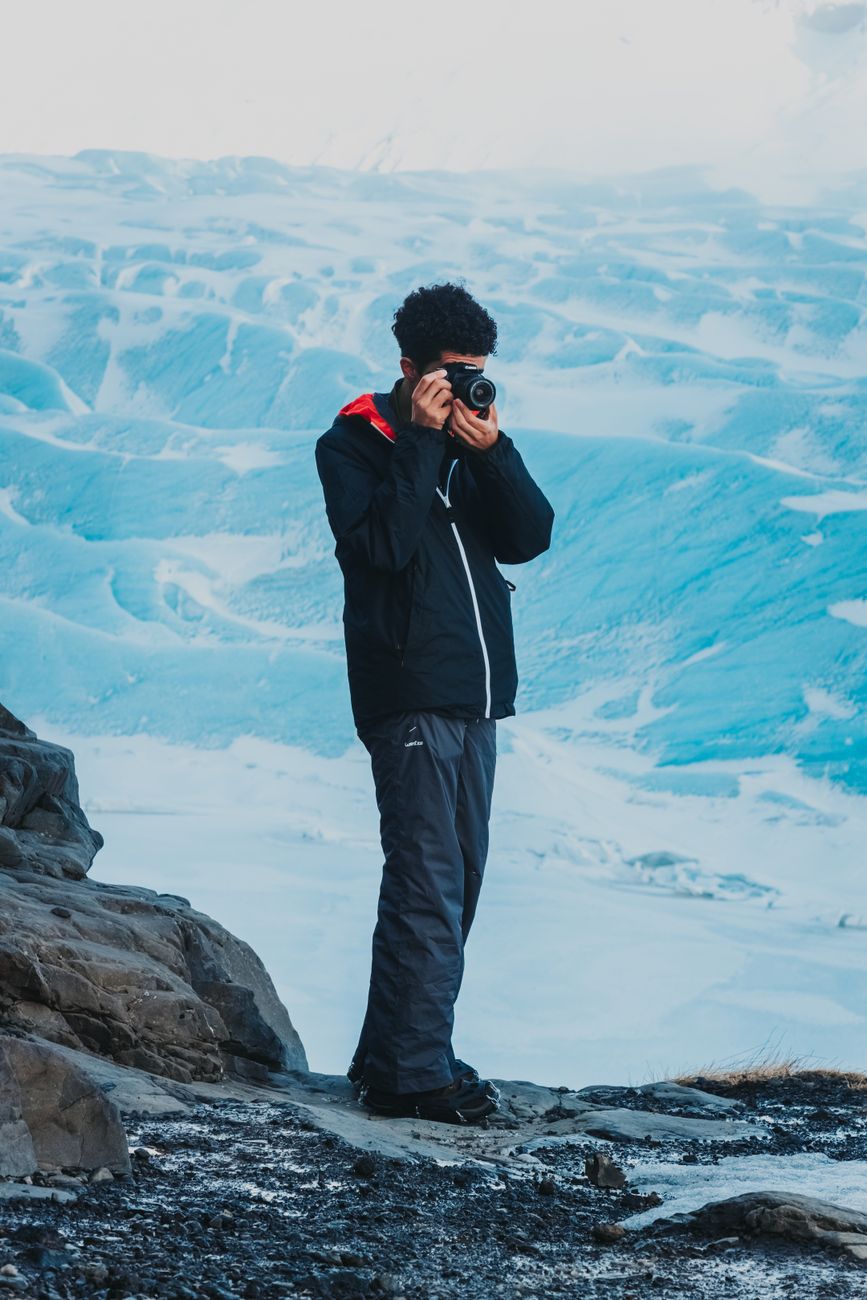
I am Rafa Velazquez. I live in southeastern Mallorca, and I photograph the Mediterranean coast. I am a professional landscape photographer, an outdoor traveler, and a longtime resident of the Santanyí municipality. My daily life revolves around the steep cliffs and the working maritime harbor of Port de Cala Figuera. I spend my mornings on the docks, my afternoons walking the rocky trails to Torre d'en Beu, and my evenings cataloging images of traditional Balearic fishing culture.
This region is my home and my primary subject. I have spent years documenting the changes in the light, the movement of the tides, and the faces of the men who work the boats. The southern coast of this island has a specific gravity. It pulls you in with its rough edges and its deep green water. I walk down teh stone steps every single day to watch the fleet leave Caló d'en Busques. This daily ritual grounds me. It informs every photograph I take and every word I write on this platform.
People often ask about my camera bag. My gear choices are specific to the harsh salt air and the bright morning sun of the Balearic Islands. I shoot with a weather-sealed full-frame mirrorless system. The salt spray on the lower docks destroys unprotected electronics within a single season. My primary lens is a 24-70mm f/2.8. It gives me the width to capture the entire harbor while allowing enough light for the pre-dawn hours. I also carry a 70-200mm f/2.8 telephoto to isolate the wooden fishing boats against the dark water and compress the perspective of the clifftop houses.
I rely heavily on circular polarizing filters. The Mediterranean sun hits the water at harsh angles by mid-morning. A polarizer cuts the surface glare and reveals the deep turquoise tones beneath the surface. I use a heavy carbon-fiber tripod for long exposures during the winter storms, but I shoot handheld during the summer months. Mobility is essential on these narrow paths.
The morning light window is my primary working time. I am on the dockside by 8:00 AM. The water is perfectly flat at this hour. The white facades of the fishermen's houses reflect perfectly in the sea. It is quiet. You can hear the older men mending their nets. The light is soft, and the shadows are long. I pack up my gear before 10:00 AM when the light becomes entirely flat and the first tour buses arrive.
Later in the day, I switch to a wider focal length to capture the clifftop views near the 1953 lighthouse. The terrain is rugged. The stone steps and the boat ramps, known locally as escars, are covered in green algae. They are incredibly slippery. Sturdy slip-resistant footwear is the one piece of equipment I tell every visitor to pack. You do not want to ruin a camera or an ankle just becuase you wore standard flip-flops to the harbor.
I have a deep passion for the conservation of our rocky coves. Cala Figuera is entirely rocky and lined with sheer cliffs. There is no sand here. This absence of a sandy shoreline historically saved the village from massive high-rise hotel developments. It kept the traditional character intact. The port is an open-air public village and an active marine harbor. It is free to access. You do not buy a ticket to walk the boardwalks.
Tourism has a physical cost on the infrastructure and the environment. All overnight visitors to the Balearic Islands pay the Sustainable Tourism Tax, known locally as the Ecotasa. The exact rate depends on your accommodation and the season. During the peak summer period from May to October, staying in a mid-range apartment means a tax of €3.00 (~$3.27) per night, plus a 10% VAT. Luxury hotels charge €4.00 (~$4.36) per night. In the winter off-season, these rates drop dramatically to €0.75 (~$0.82) per night for a mid-range room. I support this system entirely. This money funds local environmental protection and historical restoration projects. It keeps the water clean and maintains the trails we all walk on.
I spend hours volunteering with Ocean Charter Mallorca during the Festes de la Mare de Déu del Carme in mid-July. We run an environmental morning clean-up of the coves on July 11. It is hard work, picking up plastics that drift in from the open sea. We pull debris from the water before the grand Maritime Procession of decorated boats happens on July 16. Preservation is an active verb. You have to put your hands in the water and pull the trash out.
I built this platform to fix a massive communication failure. Digital mapping tools regularly send travelers to the wrong side of the island. The name Cala Figuera refers to two completely different places. There is a remote pebble beach on the northern Cap de Formentor peninsula in Pollença. Then there is our historic working fishing port in the southeast. Standard GPS searches often route visitors to the north. They realize their mistake too late, wasting a full day of driving. I created this site to provide the exact coordinates you are looking for.
Independent travelers need accurate logistics. The regional Transports de les Illes Balears (TIB) network runs the public transit. Route 516 connects Campos, Santanyí, and our harbor village. A single bus ride costs between €4.00 (~$4.36) and €6.00 (~$6.54) depending on your starting zone. The direct journey from the village to Campos takes about 35 minutes. You pass through the La Verge stop, Son Moja, and Cas Canonge. These facts are hard to find on standard booking sites. Those sites just want to sell you a rental car.
If you do drive, you need a strategy. All public parking in the village is entirely free. There are no meters. The spaces fill completely by late morning during July and August. You must arrive before 10:00 AM to secure a spot in the main lot without circling the block for an hour. The historic core descends steeply down clifftop stairs toward private boat docks. These narrow paths do not have vehicle street access. You park on the upper street level and walk down.
Many visitors arrive expecting a physical, daily indoor retail fish market called a Lonja. The local fishermen bring in their catch every single afternoon between 4:30 PM and 6:00 PM. There is no indoor tourist market here. You buy fresh local seafood at the specialized restaurants overlooking the water, or you go to the weekly Santanyí artisan market on Wednesdays and Saturdays in the main plaza. I tell you these things so you can plan your days without frustration.
My approach to travel aligns with the rhythm of the seasons. June brings stable Mediterranean weather with daily temperatures around 26°C. Rainfall is rare. The sea is warm enough for swimming. July and August are intensely hot and very crowded. I retreat to the quieter trails during those months. The path to Es Pontàs, a massive natural stone bridge rising directly out of the sea, is a four-kilometer walk from Santanyí. It is a stunning photographic subject and keeps you away from the dense crowds at the main beaches.
The festival calendar dictates the social life of the municipality. The International Music Festival Vila de Santanyí brings classical performances to the local churches. The mid-July Festes de la Mare de Déu del Carme is the emotional core of the year. I photograph the Sopar a la Fresca community dinner on July 9. The locals serve regional pork loin with tumbet. We drink organic Son Alegre wines and listen to live music on the harbor esplanade. This is the authentic culture of the island. It is completely disconnected from the commercial resorts of the capital.
September and October represent the true shoulder season. The water remains warm. The air temperature cools to a comfortable 24°C. The atmosphere is much quieter. The winter months from November to April bring colder weather and rain. Most local hotels and seaside restaurants close entirely. The Ecotasa drops by 75%. I find the winter to be the perfect time for landscape photography. The dramatic storms roll in off the Mediterranean, and the harbor takes on a moody, isolated character. The light is pale and clear.
This digital guide is my personal logbook. It contains the exact timetables, the authentic restaurant locations, and the unvarnished realities of the terrain. I want you to see the real southeastern Mallorca. I want you to respect the fishermen, protect the water, and support the local businesses that keep this community alive. Read the guides, pack your camera, and leave the commercial resorts behind.